

Farm diversification with holiday cabins: what the numbers say, and what design changes
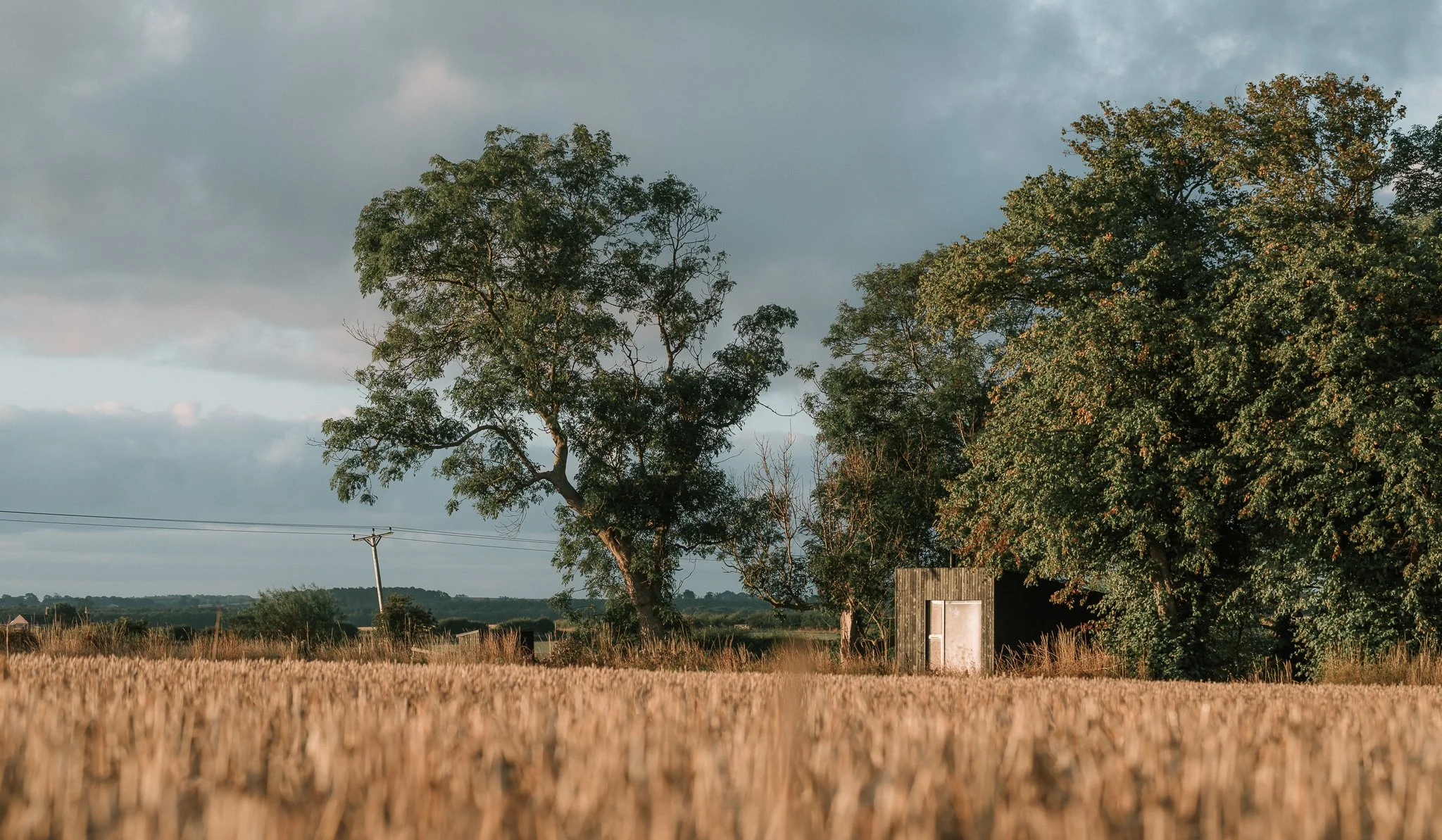
Nearly three quarters of farm businesses in England now earn something from adiversified activity. Accommodation is still one of the least common routes, which is exactly why a well-designed one stands out.
Defra's latest Farm Business Survey puts it plainly: 72% of farm businesses in England had some diversified activity in 2024/25, a rise of ten percentage points in a decade. Half of all farms now let out buildings. A quarter generate solar power. Tourist accommodation sits in the band of activities that only 7% to 13% of farms have tried.
Set that against what has happened to the Basic Payment. It made up more than half of farm business income at the start of the transition. It is now under a fifth, and the final delinked payments are capped at a few hundred pounds. The question for most farming families is no longer whether to diversify. It is into what, and on whose terms.
Why accommodation, and why not just anything
Letting a barn is easy income and fully deserved. But it is capped by the barn. Solar is capped by the grid connection. A stay is capped by one thing only: how much a guest is prepared to pay to be exactly where your land puts them. A farm with a view over open water, a wooded valley, a ridge that catches the evening light, holds an asset that a storage tenant will never pay for and a guest will pay for every night.
It is worth being honest about the other side. Accommodation is a hospitality business, not a passive let. Somebody has to answer the enquiries, change the beds and care whether the guest comes back. Families who do best either enjoy that work or partner with someone who does. The design decisions below assume you have made that choice with your eyes open.
The design premium: the difference between £120 a night and £300
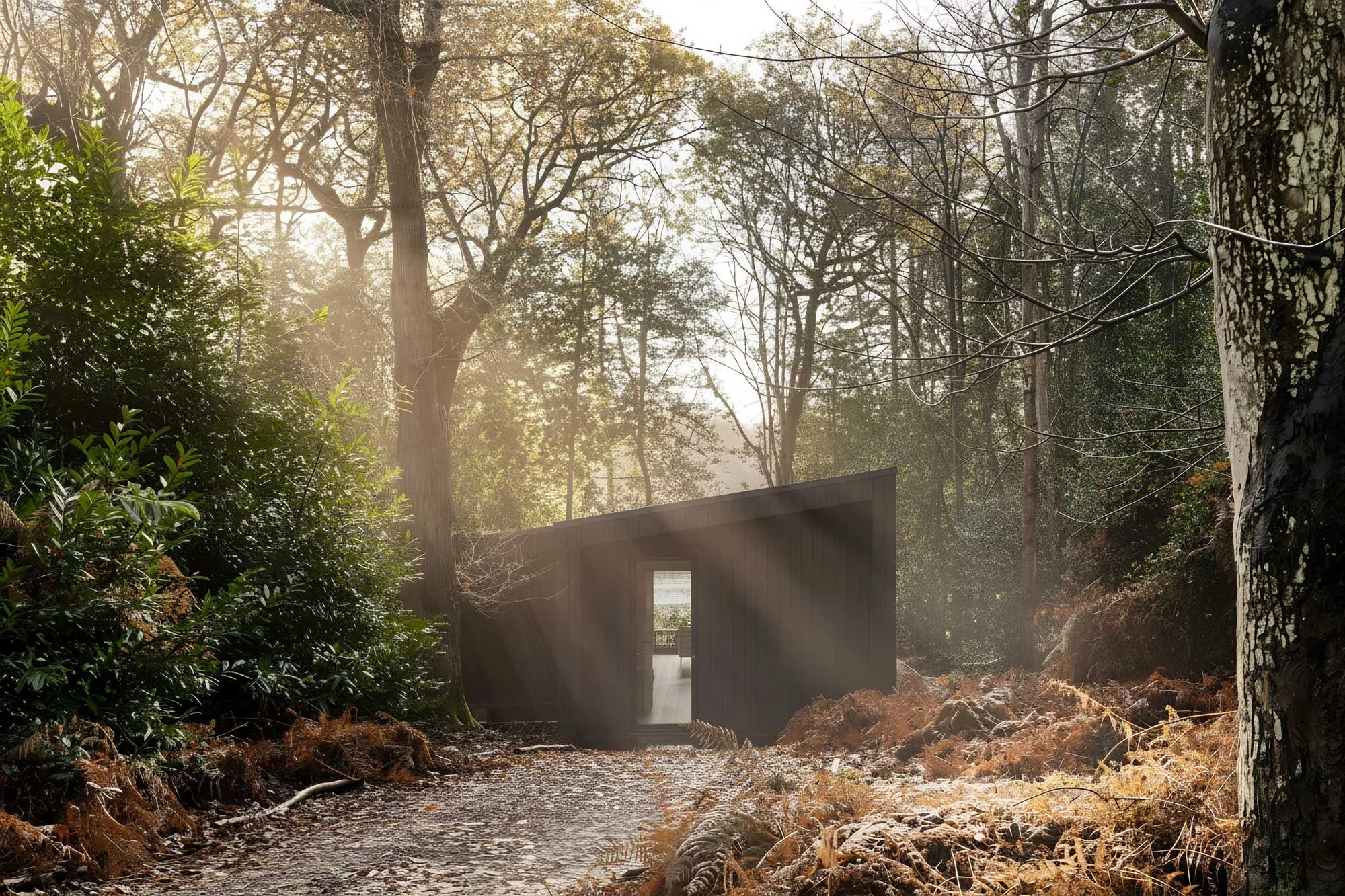
Two cabins can stand in the same field, cost similar money to run, and earn very different rates. The difference is rarely the bed linen. It is whether the building was designed for the place it stands in. Where it faces. Whether the bath looks at the view or at a wall. How dark it gets at night. Whether two guests in neighbouring units can hear each other. Whether it is warm in February without a fan heater in the corner.
Those are architectural decisions, and they are the ones guests photograph and pay for. At Koto, every project begins with a site, not a specification. The landscape is the brief. That is not a slogan on a farm project; it is the whole commercial argument: your land is the reason anyone will come, and the building's job is to put the guest inside that reason as completely as possible.
Three ways to build with Koto on a farm
A bespoke commission is the fullest expression: architecture that could only exist where it stands, with planning coordination, interiors and furniture designed as one project. It suits a farm with a remarkable site and a long-term plan for it.
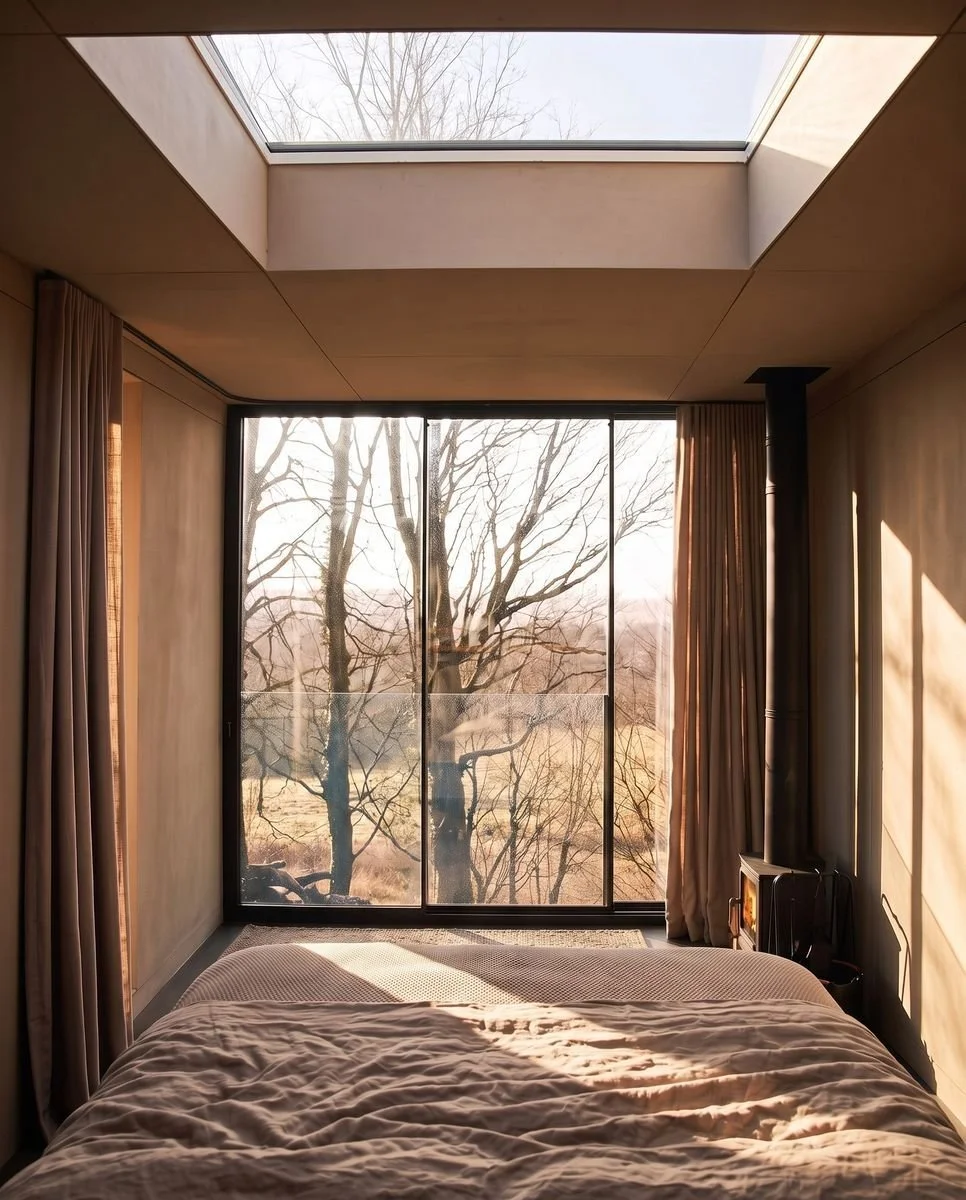
Hytti is the considered default. A single-storey design refined through years of site-specific work into a form that settles well into almost any field, with the decisions already made. It arrives with its proportions, its glazing and its interior resolved. Yours is to choose where it stands.
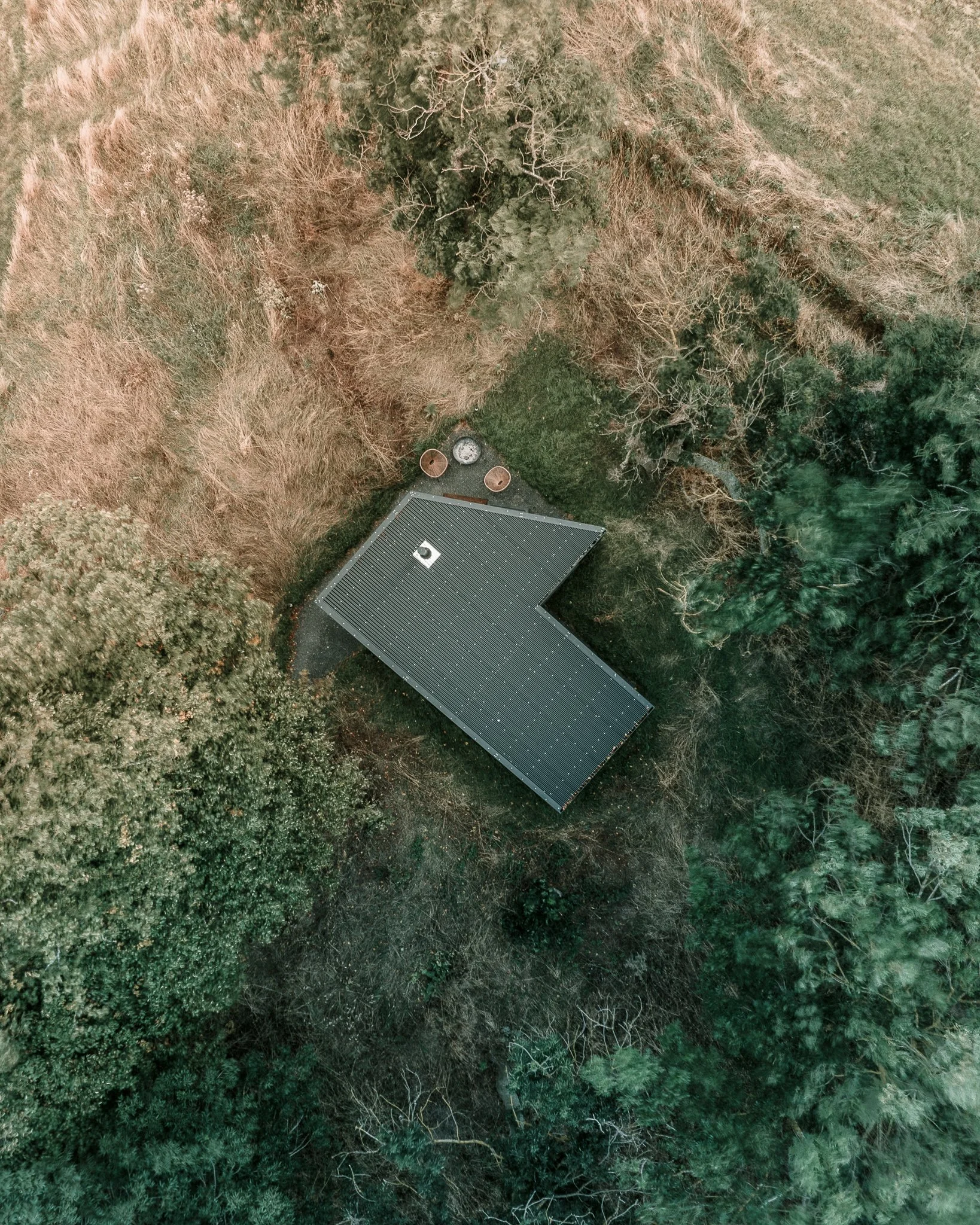
Haku is architecture that finds its place: a mobile premium suite on a wheeled chassis, with a king bedroom, rain-shower bathroom, wood-burning stove and fully autonomous systems. It is designed for the ground that permanent build cannot reach and planning will not touch: the clearing in the copse, the shelf above the river. Because it sits within the legal definition of a caravan, some landowners place a small number under the certified site route rather than a full planning application. That route has real conditions attached, and Koto gives no planning advice, so it is a conversation for your planning consultant early on.
What to have ready before you speak to an architect
The field, or the three candidates, and an honest view of which has the best experience rather than the easiest access
How guests would reach it: the entrance off the road, the track, where cars would stop
Where power and water are, and how far away the nearest drainage is
Who would run it day to day, and whether that person is excited or resigned
The capital you would commit to a first phase, and whether it is your own or borrowed
What the family wants the farm to be in twenty years
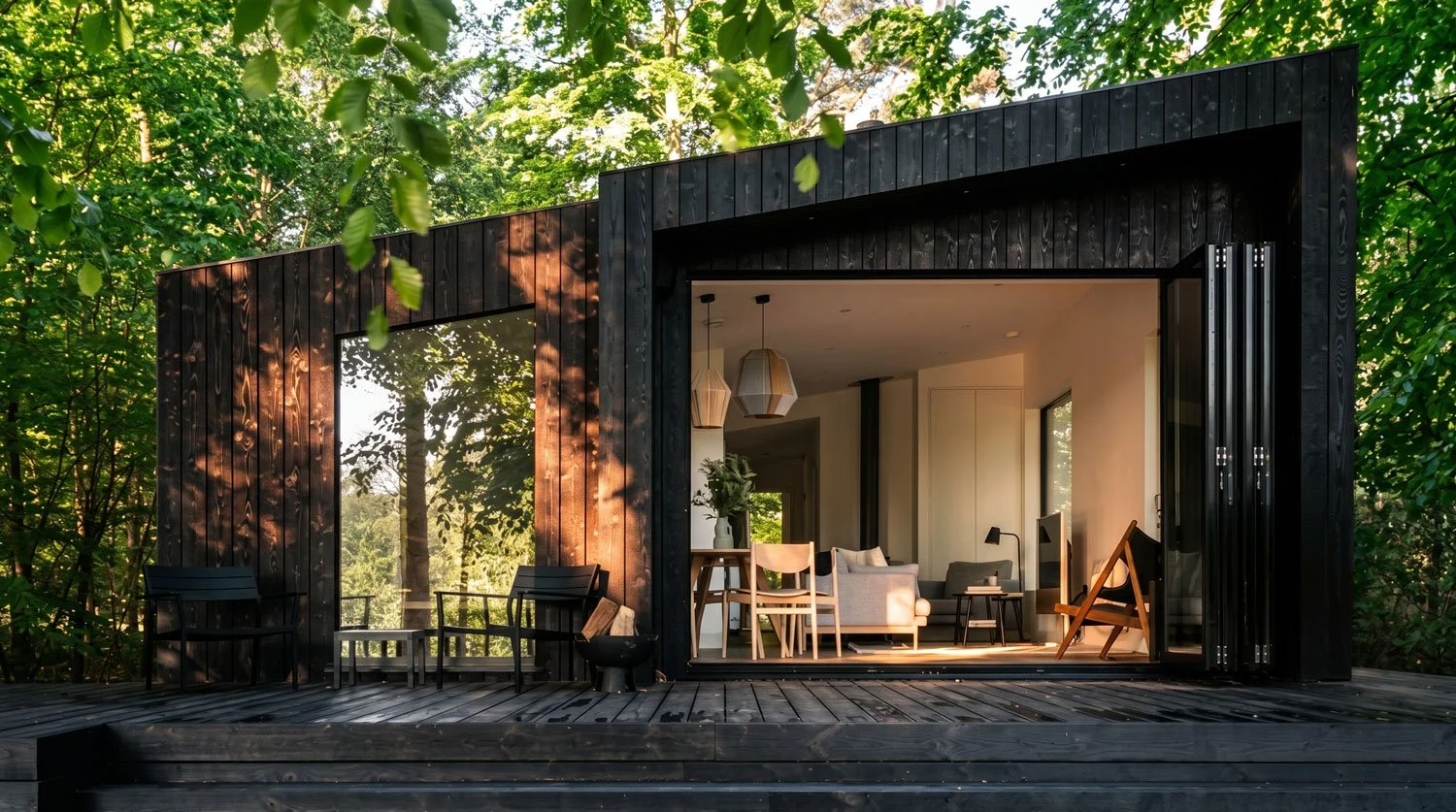
Start small, but masterplan the whole
The farms that get this right rarely build ten units in year one. They build two to five, designed from the outset as the first phase of something larger, so that phase two does not undo phase one. A masterplan costs a fraction of a mistake. It fixes where the sauna goes before the cabins have taken the best spot, and it means the second planning application tells the same story as the first.
Koto has delivered 650+ Koto designed modules across 200+ projects, on farms, estates and hotel grounds, in the UK and beyond. Every one of them started with somebody walking us to the edge of a field.
Start with the site. Send us the location, a few photographs and what you think it could become, and we will tell you plainly what we see.