

Why wellness hospitality needs an architect
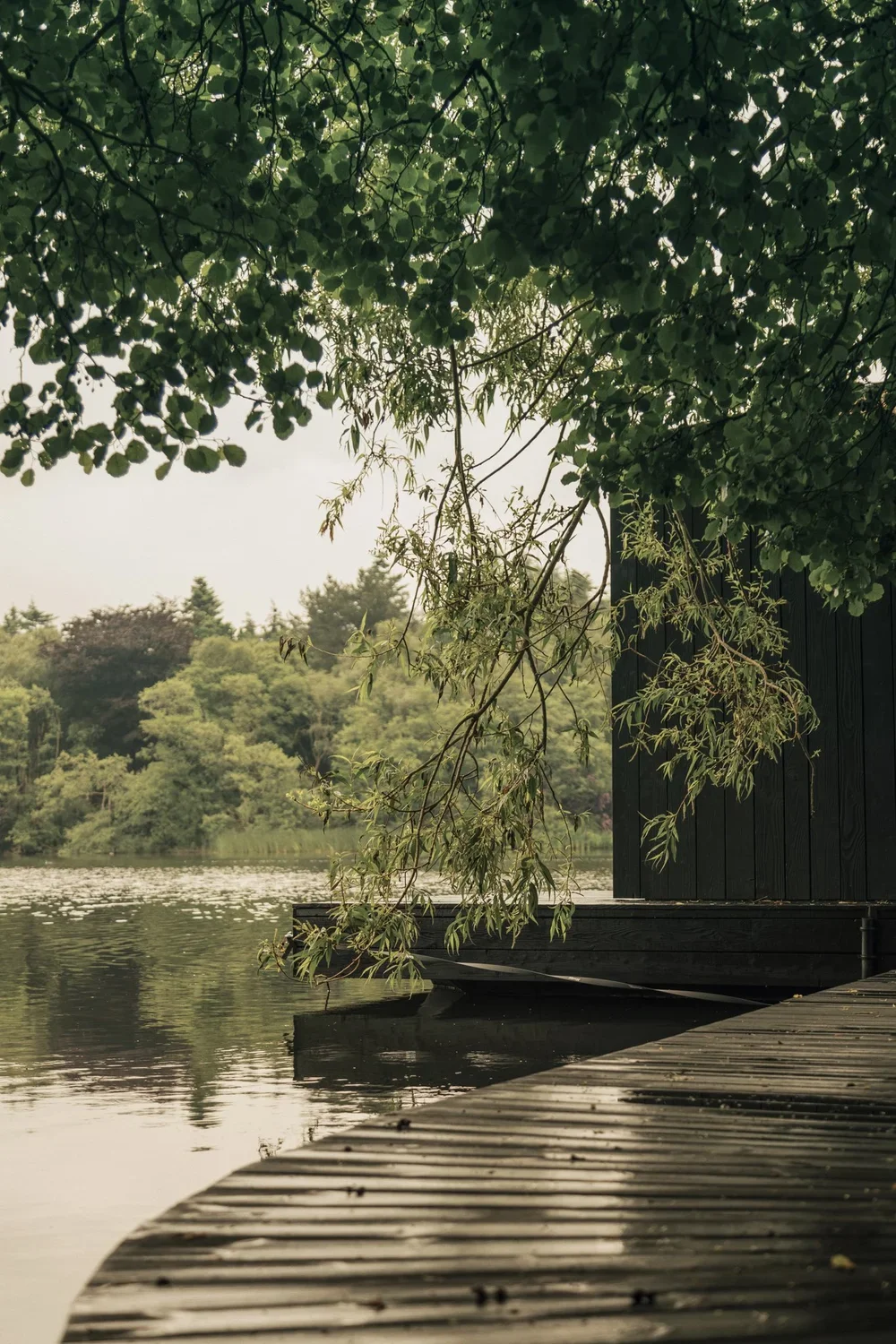
The wellness travel market has never been more buoyant. Analysts project it will reach $2 trillion by 2033, with demand for retreat and spa-led hospitality growing faster than any other segment. Yet across many new developments, one issue persists: beautiful landscapes, capable operators, and too few architect-designed wellness spaces capable of delivering genuine restoration.
The problem is not investment. It is intent. Wellness has become, for many hospitality developers, a product category. You select the right sauna. You commission the cold-plunge pool. You choose the organic mattress. And then you put it all inside a structure that was designed — primarily — to be shipped efficiently and assembled quickly.
That is a reasonable approach to logistics. It is not a reasonable approach to restoration.
“Wellness is not a product you install. It is a spatial experience you design. And spatial experience is the discipline of architecture.”
In the fast-growing field of wellness architecture hospitality, this distinction is becoming increasingly clear: the quality of the space determines the quality of the experience.

What Makes Architect-Designed Wellness Spaces Different
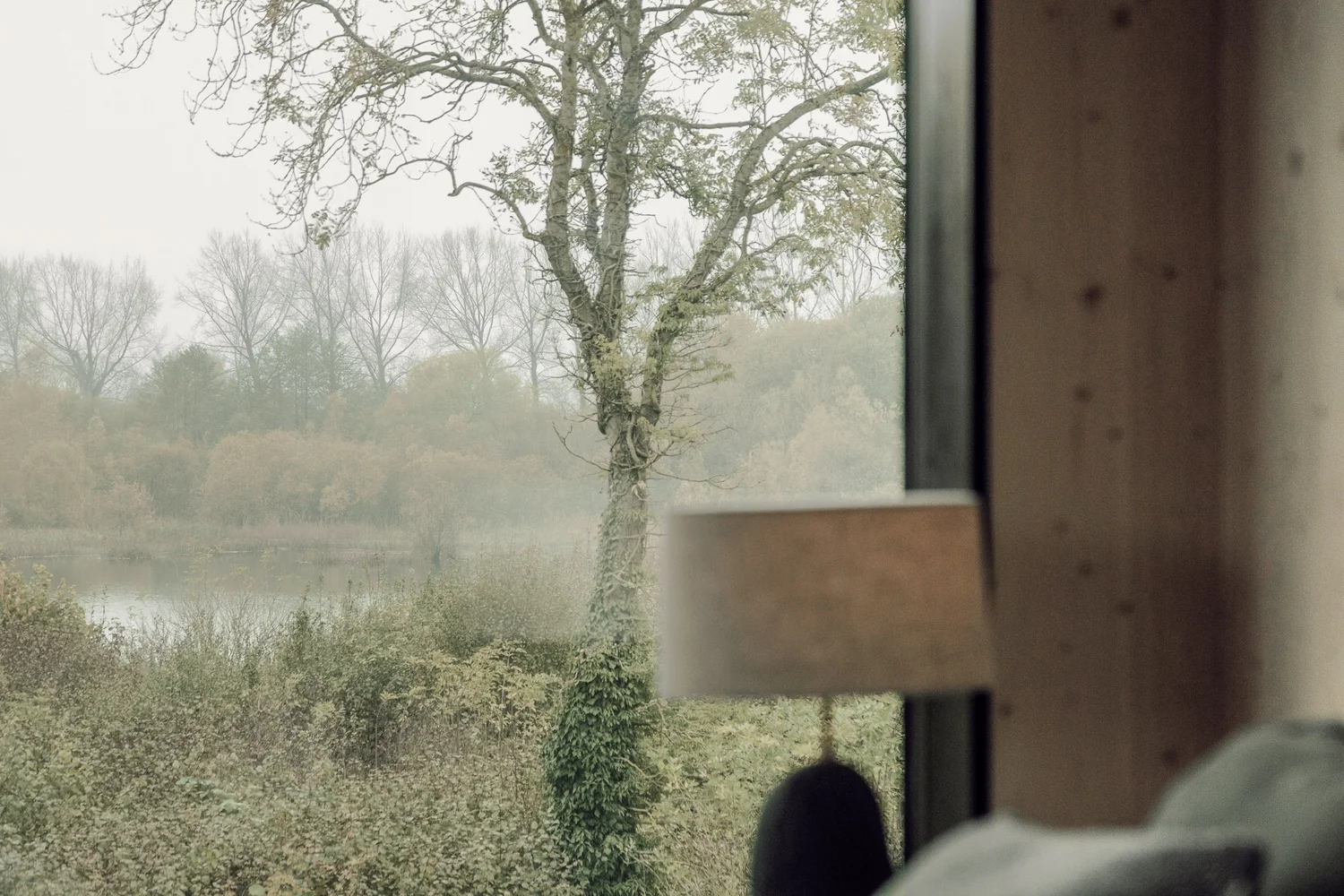
Architecture professor Roger Ulrich’s landmark research demonstrated that patients recovering from surgery healed measurably faster when their hospital room had a view of nature rather than a brick wall. Not a different mattress. Not a different programme. A window, and what it looked out on.
The field of evidence-based design has expanded significantly since then. We know that circadian lighting — light that shifts in temperature and intensity through the day — regulates cortisol and supports sleep. We know that acoustic quality, often treated as an afterthought in hospitality, is directly linked to the nervous system’s ability to downregulate. We know that thermal variation between spaces — the move from warmth to cool air, from inside to outside — creates physiological transitions that are among the most powerful tools for shifting mental state.
None of these things can be procured from a supplier catalogue. They are the result of architectural decisions made at the earliest stage of design: orientation, aperture, materiality, the sequence of spaces, the relationship between a building and its ground.
The difference a RIBA-chartered architect makes
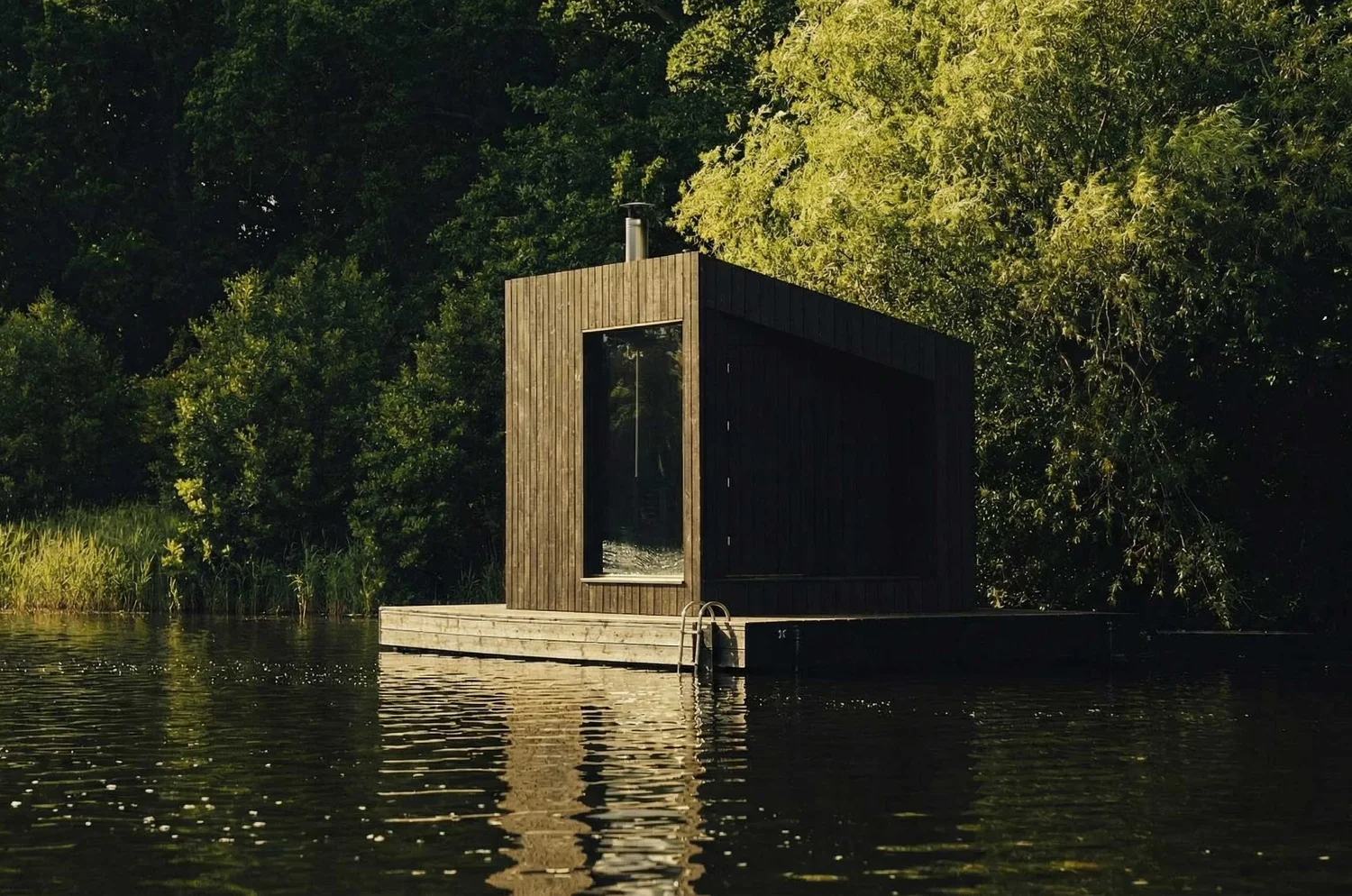
When Koto begins a wellness or spa project, our starting point is never the brief for the treatment rooms. It is the land. The way light moves across it through the seasons. The prevailing wind, and what shelter means in this particular place. The existing materials in the landscape — stone, timber, water — and how a building can use them as connections rather than contrasts.
This is what RIBA-chartered practice means in practice, not as a credential but as a method. Chartered architects carry a systematic understanding of how buildings perform: thermally, acoustically, structurally, in relation to planning and the environment. In RIBA wellness design, this is not a bureaucratic nicety. It is the foundation on which every sensory quality of the space depends.
A spa that faces the wrong direction. A treatment room with inadequate acoustic separation from a corridor. A bathing space where condensation has not been resolved in the build-up. A sauna whose proportions feel oppressive rather than enveloping. These are not aesthetic failures. They are architectural ones — and they are common in hospitality projects where architecture was treated as a container for the wellness offer, rather than the wellness offer itself.
“Where product companies start with a template, we start with place. For wellness design, that distinction is everything.”
Wellness as architecture, not amenity
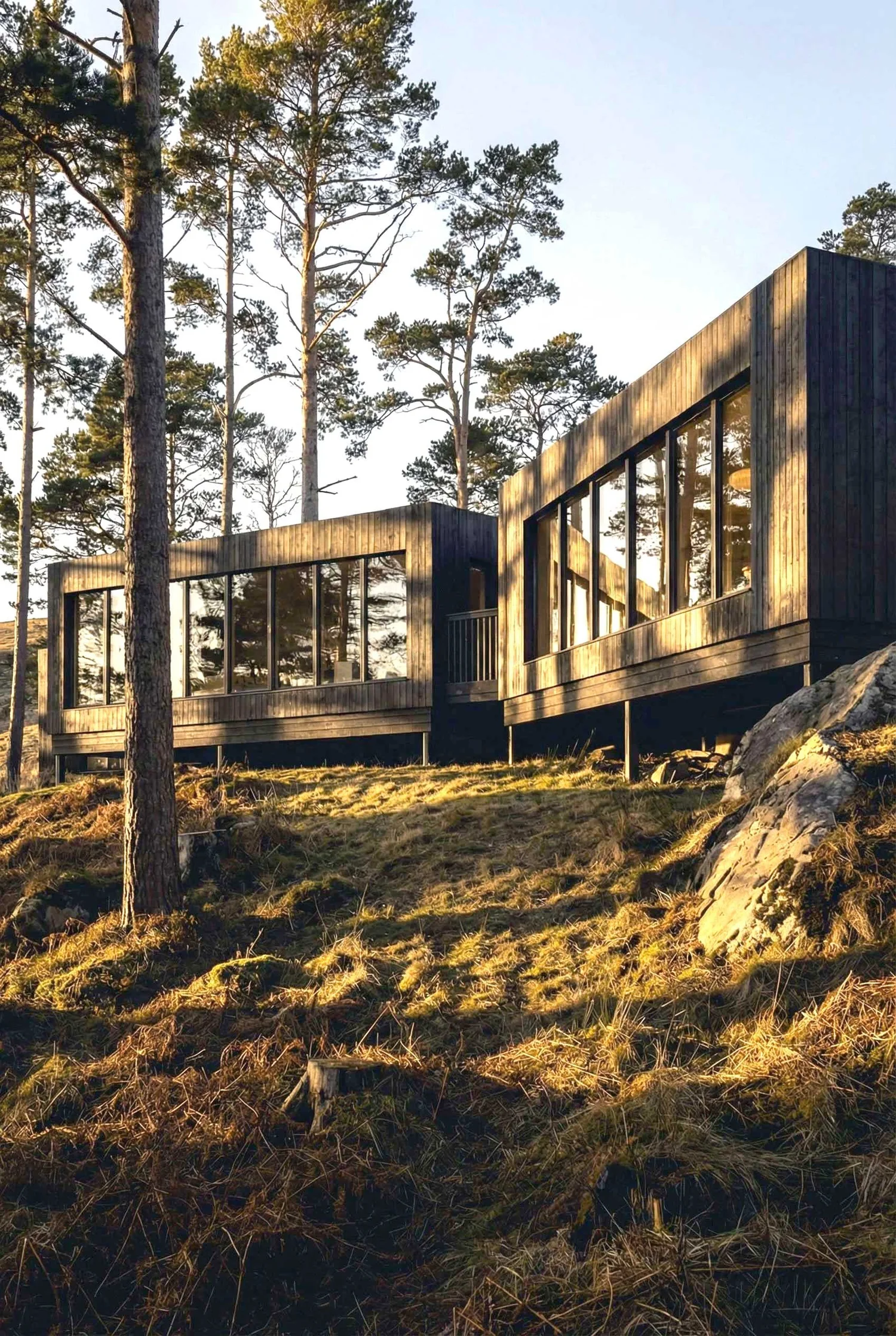
There is a growing tendency in the retreat and glamping sector to treat wellness as an amenity layer — something added to a cabin offer once the primary structure is established. This approach produces spaces that feel, to guests, exactly as they are: complete in themselves, with wellness bolted on.
Guests have become sophisticated readers of this. The wellness travel market is growing precisely because a generation of travellers has experienced enough mediocre spa facilities to know what genuine restoration feels like — and to pay significantly more for it. Boutique Hotel News notes that average nightly rates at well-designed wellness retreats routinely exceed £300. The return on genuine architectural investment is not marginal. It is substantial.
The properties that command those rates share a quality that is hard to name but easy to feel: the sense that the building was designed for this place, this purpose, and these people. That nothing is arbitrary. That the view from the treatment table was chosen. That the approach through the landscape was choreographed. That the materials underfoot carry the same intention as the programme on the wall.
That quality is not produced by a product platform. It is produced by architecture.
What this means for operators
If you are planning a wellness offering — whether as a spa design retreat, a hospitality extension, or a spa and recovery programme within an existing property — the most important conversation to have early is not with your equipment supplier. It is with your architect.
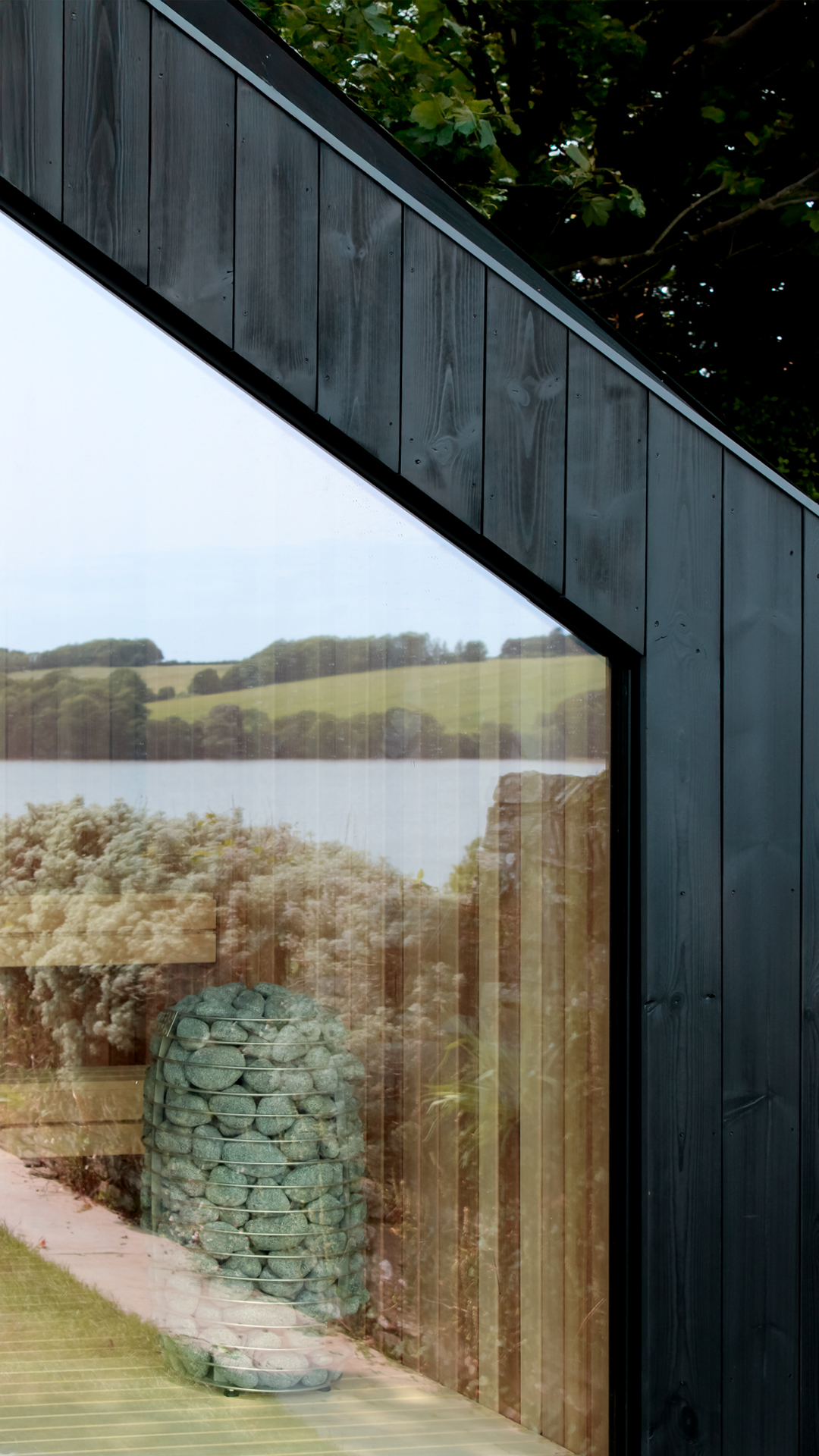
The questions that determine whether a wellness space truly performs are architectural questions. How does the building meet the ground? What does a guest see first, and feel first, as they arrive? How does the threshold between active and restorative spaces work? Where does natural light enter, and at what time of day?
At Koto, our spa and wellness projects begin with these questions — and they inform everything that follows, including the technical design, the material selection, and the operational flow. The result is spaces that do not just accommodate wellness. They are, in the full sense of the word, designed for it.
Koto is a RIBA-chartered architecture and design studio specialising in architect-led hospitality cabins, spa and wellness spaces, and private residences. We work across the UK, Europe and the USA. If you’re planning a wellness project, we’d welcome a conversation.