

Adding rooms to a hotel without extending the building
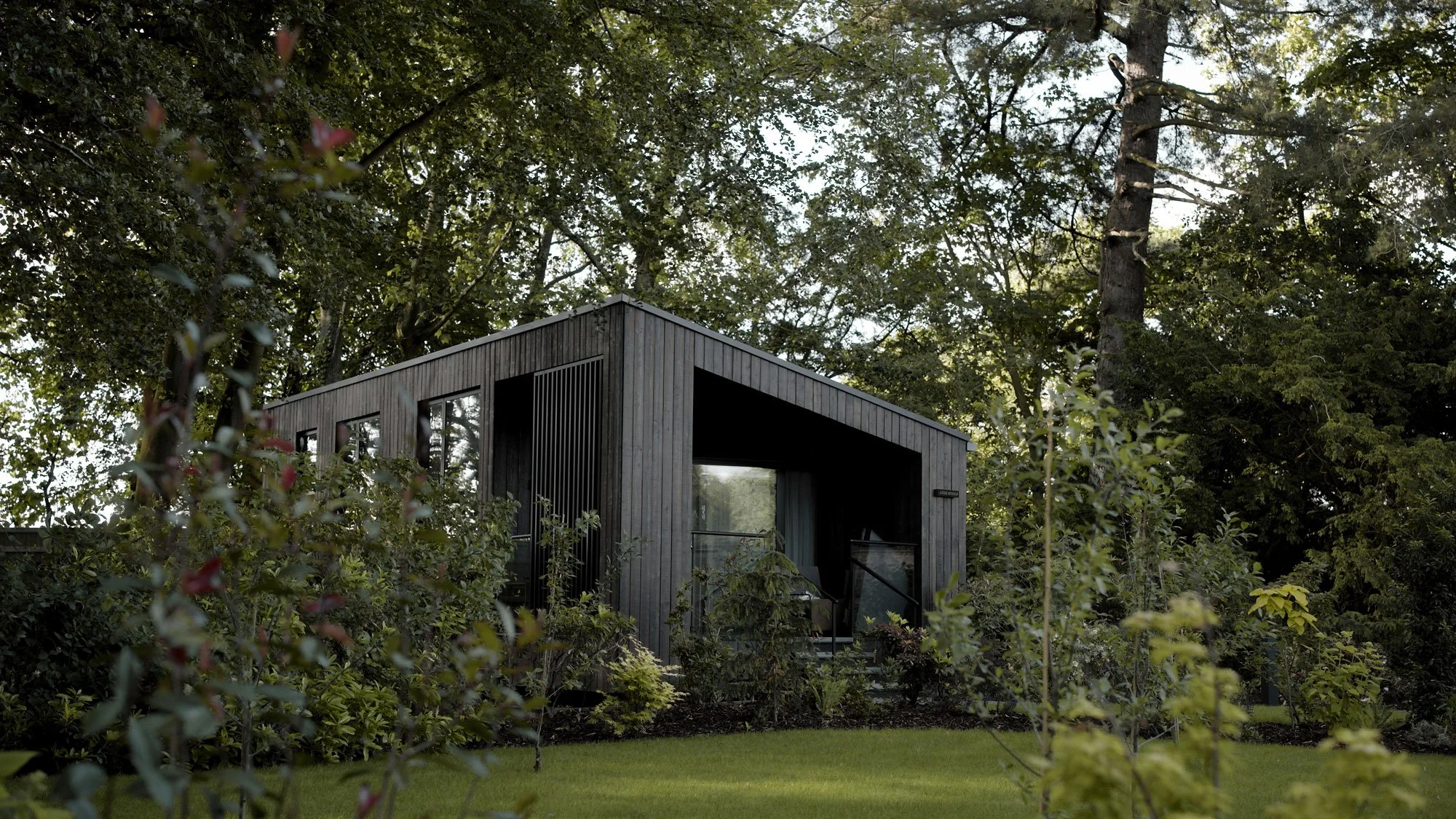
The rooms are full, the grounds are empty, and the extension would mean a year of scaffolding through the lobby. Garden rooms and cabins, built off-site and finished in the grounds, are how independent hotels add keys without closing.
Every good independent hotel reaches the same ceiling. Occupancy is strong, the restaurant is the reason people book, and the building has no more rooms in it. The obvious answer, an extension, arrives with a planning battle, a builder's programme measured in seasons, and guests eating breakfast next to a hoarding.
There is a quieter answer in the grounds. Garden rooms designed as architecture rather than as pods, built off-site while the groundworks happen, delivered by crane and finished in weeks. The hotel keeps trading. The new keys open in the shoulder season. And they open as the best rooms in the house, not the overflow.
Why guests pay more for the room in the garden
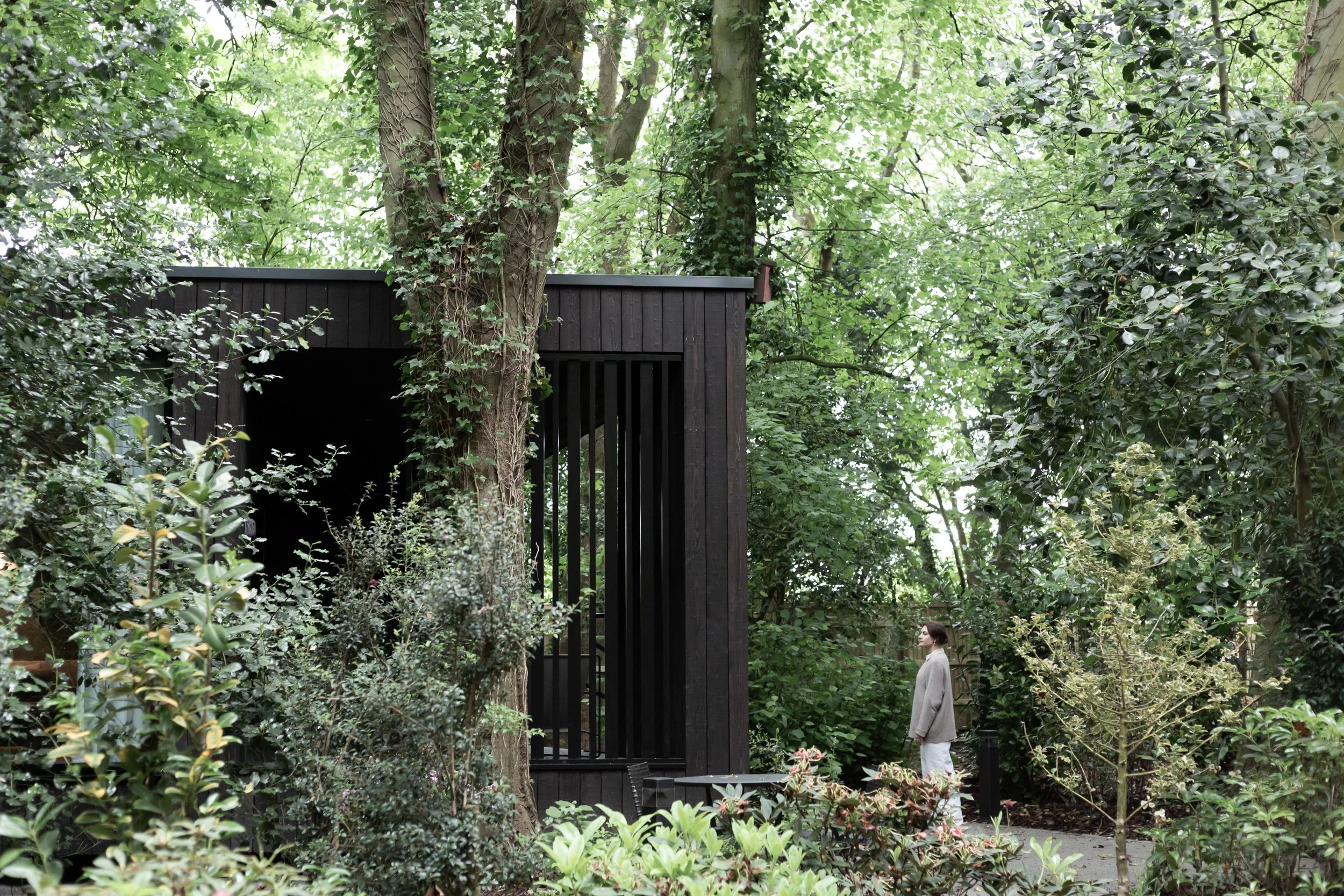
Ask any reservations team which rooms go first. It is the ones with privacy, a view, a bath that looks at something, and a door that opens onto the grounds rather than a corridor. A garden room has all of that by nature. It is the room guests ask for by name, the one that appears in the press coverage, the one that justifies the top of the rate card.
At Moor Hall in Lancashire, one of England's most awarded restaurants with rooms, Koto designed seven garden rooms, each named after a botanical, with the architecture, interiors and furniture resolved as one project. The rooms sit in the landscape the kitchen draws from. Guests are not staying in a cabin behind a restaurant. They are staying in a Koto, at Moor Hall, and that distinction carries through the photography, the reviews and the rate.
What off-site manufacture changes for a hotel that is open
The practical case is as strong as the commercial one. The modules are made in the Koto manufacturing network while foundations, services and landscaping are prepared on site. Nothing heavy happens through the hotel. Installation takes days, not months. Snagging happens in the factory, where it is cheap, rather than on a lawn in November. And a hotel can plan the opening around its own calendar: rooms ready for the spring rate rise, or for the Christmas book.
Getting the number of keys right
More is not better. The grounds have a capacity for privacy, and the restaurant has a capacity for covers. The right number of garden rooms is the one that fills the dining room on a Tuesday without turning the garden into a village. For most restaurants with rooms that is between four and ten. Beyond that, the conversation becomes a different kind of project, with its own reception, spa and staffing, and it should be planned as one.
The per-key economics tend to make the decision easy. A garden room commanding a premium over the main house, at a hotel that already has the brand, the kitchen and the demand, pays for itself faster than almost anything else the business could build. Every site is different, so treat any figure as an estimate until it has been tested against your own rate card and occupancy.
Planning in hotel grounds
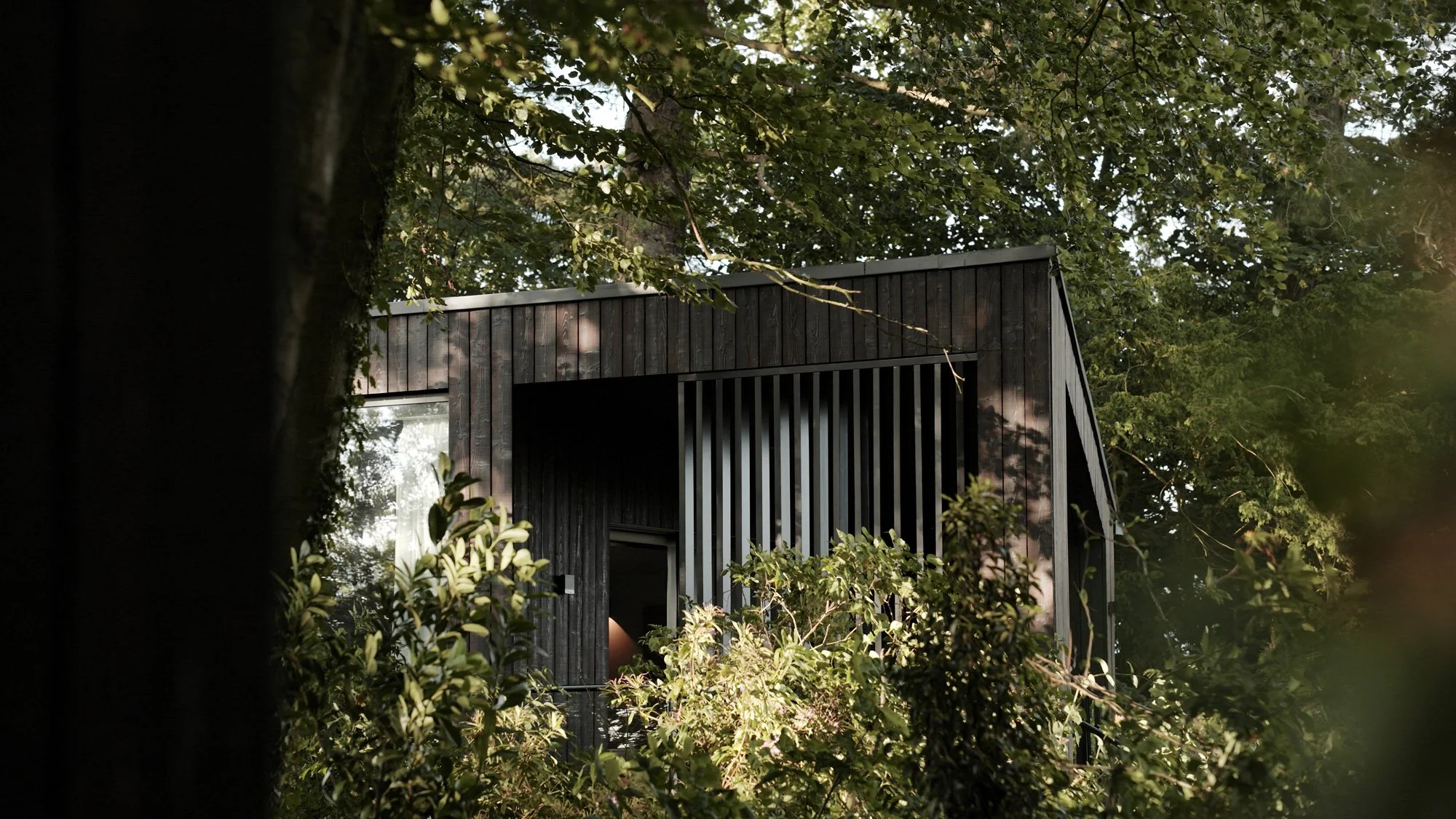
Permanent rooms in the grounds will almost always need full planning permission, and many of the best hotels sit in listed buildings, conservation areas or protected landscapes where the setting is scrutinised. That is not a reason to hesitate. It is a reason to make the design the argument. A building that responds to the setting, in materials that belong to it, with a landscape plan that improves what is there, is the strongest case an application can make. Koto coordinates the design case with your planning consultant. We do not give planning advice, and we would not want you to rely on an architect for it.
The interior is part of the architecture
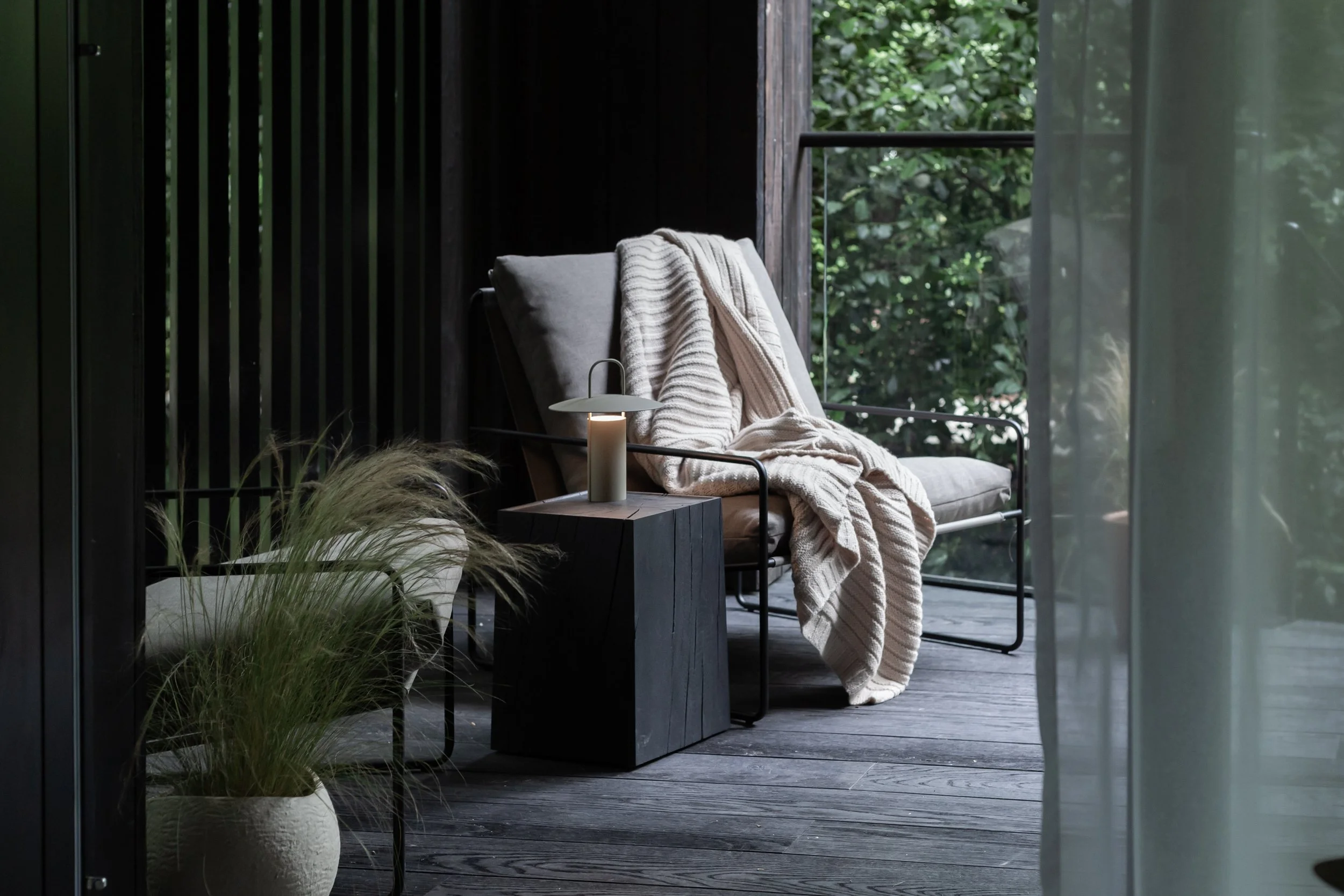
A garden room fails when the building and the furniture were chosen by different people at different times. Koto Living, our BIID-registered interior design studio, designs the interior and furniture pack alongside the building so the room reads as one composition: the bed placed for the view, the lighting planned for the evening, the materials continuing from outside to in. Made to be felt, not noticed
Building with Koto is a brand decision. Tell us about the hotel and the grounds, and we will show you what the best rooms in the house could look like.